In Part 3.2, we discussed the importance of setting goals and expectations that are both realistic and ambitious enough to drive long-term progress.
In Part 3.3, we will talk about another critical component of success: accountability.
Setting goals is important, but goals alone are not enough. We must also create systems that help us sustain those goals long enough for them to become ingrained habits and part of our identity.
As discussed previously, habit stacking, a concept taught in Atomic Habits, by James Clear, is a powerful way to ingrain new habits by attaching them to existing routines. However, equally important is the establishment of deadlines and accountability frameworks.
Without accountability, even the best intentions can slowly fade over time. Deadlines create urgency, structure, and purpose. Accountability keeps us honest and consistent, especially during periods when motivation is low. Together, habit formation and accountability systems create the foundation for sustainable long-term change.
Most humans are naturally goal-oriented. We tend to perform better when there is structure, pressure, or a deadline.
For example, there is enough publicly available information—in books, libraries, and on the internet—that almost anyone could theoretically acquire enough knowledge to function in fields such as law, medicine, engineering, or music. Yet very few people successfully teach themselves to that level completely independently.
One major reason is the lack of accountability:
- no deadlines,
- no examinations,
- no external expectations,
- and no one monitoring progress.
The same principle applies to health and fitness.
Below are several ways to build an accountability framework that can dramatically increase your chance of long-term success.
1. Write Your Goals Down
Write down your goals clearly and place them somewhere visible.
This could be:
- on your bathroom mirror,
- beside your bed,
- on your phone wallpaper,
- or at your work desk.
Seeing your goals repeatedly throughout the day reinforces them psychologically and keeps them at the forefront of your mind.
A goal that stays only in your head is easy to ignore. A visible goal becomes much harder to escape from.
2. Tell Other People
Announce your goals to:
- family,
- friends,
- coworkers,
- social media,
- or even the world.
Write a blog. Share your journey publicly if you are comfortable doing so.
Once other people know about your goals, there is an added layer of responsibility and accountability. Humans naturally want to remain consistent with what they publicly commit to.
This was one of the reasons I started sharing my own journey more openly.
3. Have Someone Check In On You
Accountability works best when another person is involved.
This could be:
- a friend – shout-out to my good friend Terry Jiang,
- a workout partner,
- a mentor,
- or a coach.
This is one reason why coaching can be incredibly valuable for people who are serious about changing their health and wellness.
A good coach:
- holds you accountable,
- keeps you honest,
- provides structure,
- offers guidance from experience,
- and helps identify blind spots you may not recognize yourself.
You do not know what you do not know.
Interestingly, accountability is not always about pushing harder. For some individuals, myself included, accountability is equally important for preventing overtraining and burnout. Sometimes a coach’s job is to hold someone back rather than push them forward.
4. Take Monthly Progress Photos
Take monthly photos of yourself in front of a mirror.
You do not need to share them with anyone.
At first, this may feel uncomfortable—especially early in a transformation journey—but I strongly encourage you to do it.
Progress photos were one of the most powerful accountability tools I personally used.
When you see changes month-by-month, it becomes incredibly motivating and reinforcing. Sometimes physical changes are easier to appreciate visually than through daily scale measurements.
5. Track Your Weight Daily
I recommend tracking your weight daily under consistent conditions:
- first thing in the morning,
- after using the bathroom,
- before eating or drinking anything.
Daily measurements are not meant to obsess over small fluctuations, but rather to identify trends over time.
Consistency in data collection improves accuracy and allows you to monitor progress objectively.
6. Track Your Nutrition
Tracking calorie intake and protein intake is one of the most effective ways to stay accountable to your diet.
When you actively log your nutrition, you naturally become more mindful of your choices. More on this in later posts.
You will often think twice before eating something impulsively because your nutrition log is keeping you honest.
Tracking also serves an educational purpose. Many people are surprised when they discover:
- how calorie-dense certain foods are,
- or how little protein some foods actually contain.
To make tracking sustainable, convenience is critical.
Personally, I keep food scales everywhere:
- in my kitchen,
- at work,
- in my backpack,
- in my car,
- and at family members’ homes.
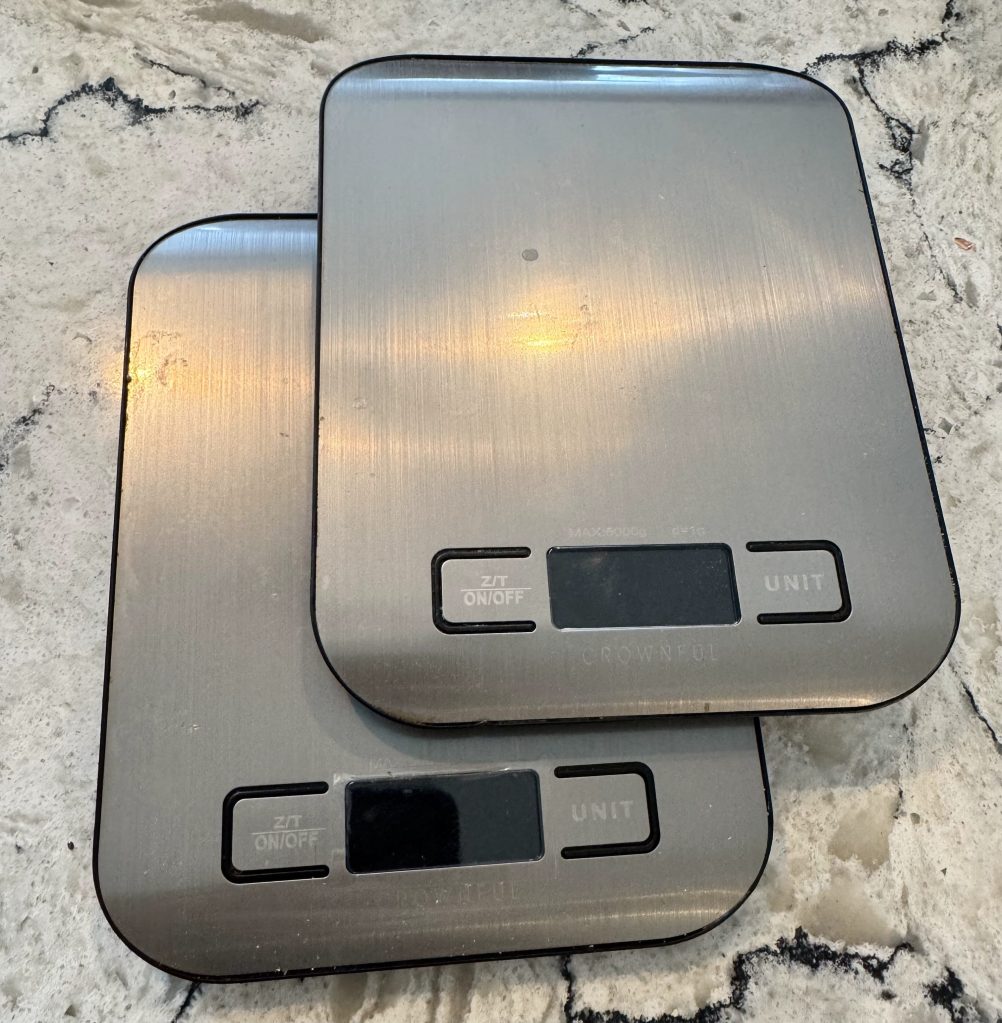
The easier you make a habit to perform, the more likely you are to stay consistent with it.
7. Sign Up for a Race or Event
This is, in my opinion, one of the most powerful forms of accountability.
Sign up for:
- a 5K,
- a 10K,
- a half marathon,
- a marathon,
- a cycling event,
- or any physical challenge that excites you.
Then set a meaningful goal associated with it.
An event creates a deadline—similar to a midterm or final examination.
Unlike academic exams, however, fitness cannot be crammed at the last minute.
A race forces you to work consistently over time. It provides structure, urgency, and purpose to your daily training.
For me personally, races became major anchors throughout my transformation journey.
In Part 3.4, we will discuss one of the most powerful and underrated tools for weight loss: walking.
 Dr. Leo Dai's Health and Wellness Blog
Leave a comment